
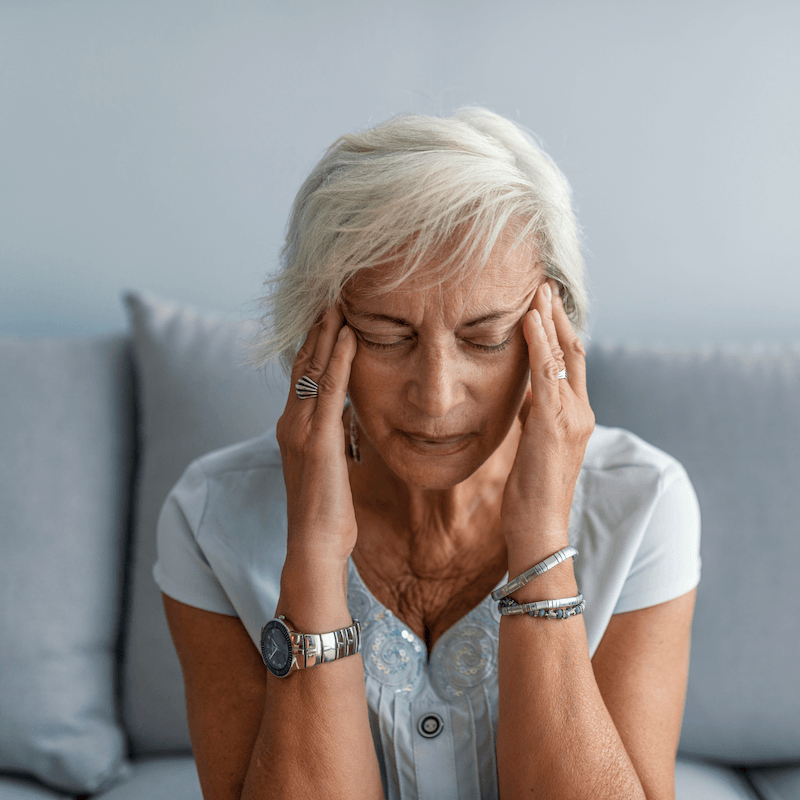
Migraines don’t always present as severe headaches; in fact, a vestibular migraine mainly affects balance, motion perception, and spatial orientation. At our ENT clinic, we investigate recurring dizzy spells to verify whether vestibular migraine or a distinct balance pathology is driving symptoms. To find the right migraine treatment, it’s important to recognize the symptoms and communicate them to your doctor.
How Vestibular Migraines Differ From Standard Migraine Episodes
Both vestibular migraine and classic migraine belong to the same neurological spectrum, yet their hallmark symptoms manifest differently. The hallmark of a typical migraine is moderate to severe unilateral throbbing head pain that intensifies during ordinary physical activities. Associated features like nausea, pronounced light and sound sensitivity, and visual aura commonly accompany standard head pain.
Vestibular migraine characteristically triggers episodes of spinning vertigo, persistent dizziness, unsteadiness, and motion intolerance. Patients may experience coexisting head pain, but headache is not an obligatory component of every vestibular episode. Attacks may involve a false sense that the person or room is moving, dizziness triggered by head motion, or discomfort in visually busy environments.
Diagnostic criteria specify that qualifying vestibular episodes typically span between five minutes and 72 hours. Symptoms can vary from one attack to the next, making the connection to migraine less obvious than it is with recurring head pain.
Pathophysiology: What Triggers and Causes Vestibular Migraines?
There is no single medical pathology identified as the isolated cause of vestibular migraine. The disorder likely develops from overlapping neurochemical pathways handling both trigeminal pain and inner ear balance signals. Having a personal or family background of migraine disease, along with chronic motion sensitivity, increases patient risk.
Episodes may be triggered by:
- Inadequate sleep duration or irregular circadian rhythms
- Irregular nutritional intake, skipped meals, and dehydration
- Psychological tension or the sudden drop in stress levels following high-pressure events
- Estrogen shifts associated with menstruation, pregnancy, or hormone therapies
- Intense fluorescent lighting, flickering screens, or visually chaotic patterns
- Rapid vehicle motion, vestibular acceleration during transit, or digital screen scrolling
- Consumption of alcoholic drinks, caffeine withdrawal, or individualized food sensitivities
- Weather changes or sensory overload
Clinical Symptoms of Vestibular Migraine Compared to Regular Migraines
Standard migraine attacks are conventionally diagnosed by cephalalgia, yet the clinical picture involves numerous non-pain symptoms. Manifestations frequently involve nausea, emesis, classic visual scotomas, lethargy, cognitive fog, cervical tension, and intolerance to lights, sounds, or odors.
Vestibular migraine may include:
- Illusory rotational spinning or non-spinning disequilibrium
- Persistent postural unsteadiness, gait instability, or loss of balance
- Positional dizziness directly provoked by quick head movement
- Motion-induced nausea, motion intolerance, and gastrointestinal upset
- Visual motion hypersensitivity when viewing digital displays, high-density crowds, or repetitive wallpaper
- Phantom perceptions of physical tilting, floating through space, rhythmic rocking, or being pulled sideways
- Sensory hypersensitivity involving photophobia, auditory intolerance, and visual overstimulation
- Sensations of internal head fullness, tight cranial pressure, or full-blown migraine cephalalgia
- Transient aural fullness, ear pressure, or acute tinnitus
The clinical timeframe, duration of dizziness, and identified triggers are vital for distinguishing vestibular migraine from other vestibular etiologies. Acute vertigo presenting with unilateral weakness, numbness, speech deficits, diplopia, fainting, or severe loss of ambulation requires urgent medical intervention.
Can a Vestibular and Regular Migraine Happen at the Same Time?
Yes, this frequently happens. Vertigo and classical migraine headaches frequently coincide during the same physiological episode. Dizziness might manifest as a premonitory symptom before head pain, peak while the headache is active, endure following pain resolution, or strike alone. Over time, patients may see their symptoms fluctuate between traditional headache attacks and balance-dominant episodes.
An acute vestibular event can be fully driven by migraine mechanisms even in the complete absence of head pain. Keeping a symptom diary can reveal connections that are difficult to remember later. Track the exact duration of dizzy spells, headache traits, light and sound sensitivities, menstrual dates, sleep patterns, meals, suspected triggers, and pharmaceutical outcomes. Detailed symptom tracking allows your medical provider to conduct a much more precise diagnostic assessment.
Clinical Diagnostic Procedures for Vestibular Migraine
There is no solitary laboratory blood test, radiographic imaging study, or vestibular exam that definitively diagnoses vestibular migraine. Diagnostic evaluation initiates with a structured examination of symptom chronology and a confirmed history of migraine with or without aura. International diagnostic criteria standardly require at least five moderate or severe vestibular episodes lasting between five minutes and 72 hours, with classic migraine symptoms during at least 50% of attacks.
Our clinical assessment routinely incorporates a complete neurological workup, oculomotor eye-movement testing, otoscopy, audiological evaluation, and vestibular testing. According to your symptom history, our providers may administer a diagnostic audiogram, positional maneuvers, vestibular diagnostic tests, or brain imaging. Such objective tests are crucial to differentiate vestibular migraine from other balance disorders presenting with similar symptoms. Vestibular migraine is diagnosed only when the pattern fits, and another condition does not better explain the symptoms.
What Treatments Are Available for Vestibular Migraines?
Management is customized for each patient depending on attack frequency, degree of disability, headache status, underlying conditions, and medication safety profiles. Effective clinical management frequently involves combining long-term daily prevention with an actionable rescue strategy for acute attacks.
We develop an individualized treatment regimen which may feature:
- Adhering to predictable sleep cycles, regular meal timing, daily hydration targets, and steady physical activity
- Documenting, isolating, and reducing exposure to consistent patient-specific triggers
- Adopting psychological relaxation practices, biofeedback, or cognitive behavioral strategies
- Administering prescription antiemetics or targeted acute symptom medications
- Conservative, short-term application of prescription vestibular suppressants for acute episodes
- Daily prescription preventatives including beta-blockers, calcium channel blockers, topiramate, select antidepressants, or targeted migraine medications
- Specialized vestibular rehabilitation therapy (VRT) to resolve chronic motion hypersensitivity and balance deficits
Vestibular suppressants are generally used sparingly because frequent use may cause sedation and interfere with the brain’s adaptation to balance signals. All prescription decisions must be established alongside our clinical team rather than borrowed from someone else’s treatment protocol. Achieving lasting clinical success may require steady medication adjustments and consistent tracking of episodes over time.
Book Your Vestibular Migraine Consultation
Should frequent vertigo episodes, persistent unsteadiness, or motion intolerance interfere with your life, book an appointment with our specialists. During your consultation, we examine your migraine background, overall health profile, and personal goals, utilizing targeted diagnostics to differentiate vestibular migraine from BPPV, Ménière’s disease, or alternate balance disorders. Get in touch with our ENT clinic now to request your vestibular migraine appointment.