
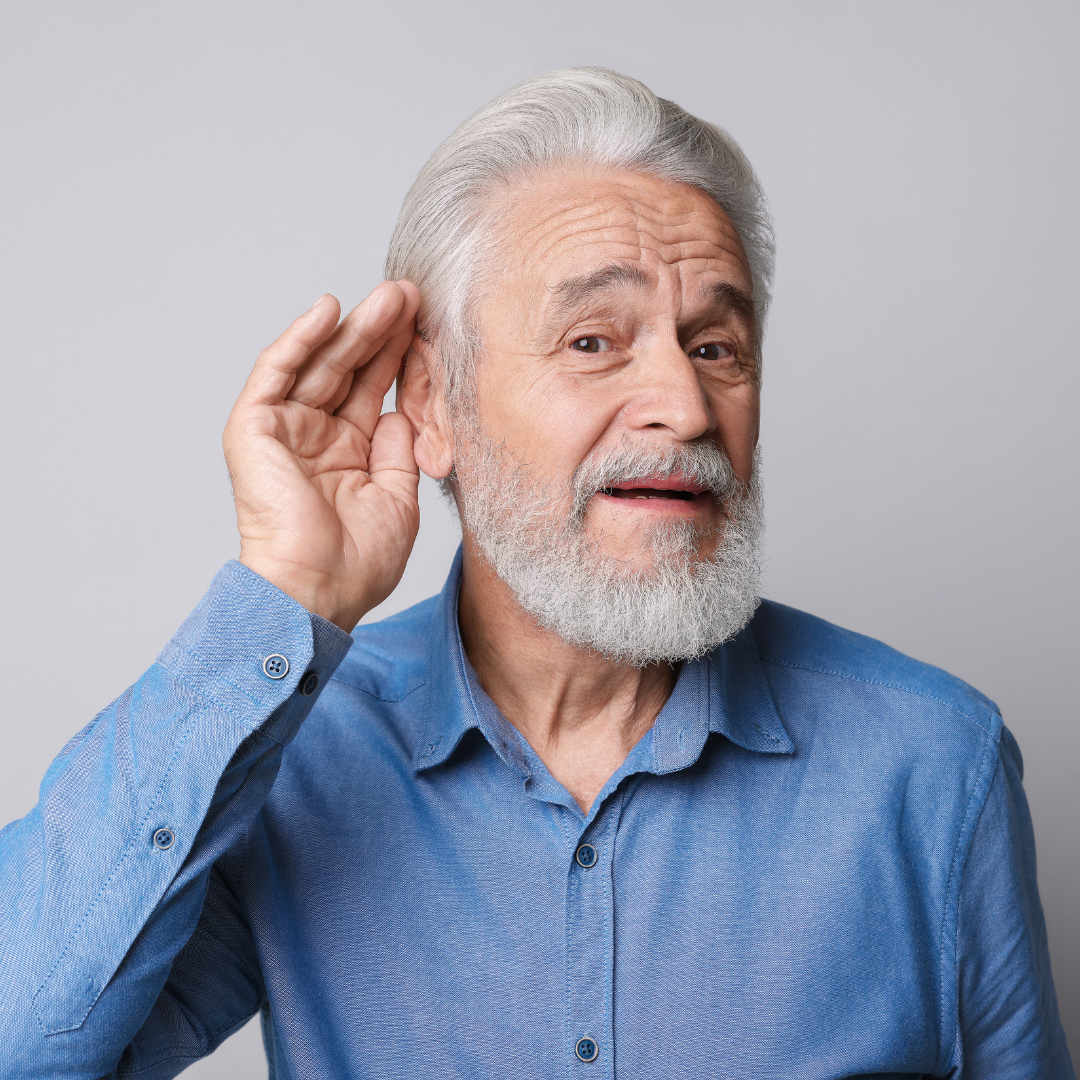
Experiencing a rapid decline in hearing in a single ear is a distressing event that creates understandable uncertainty. Our audiology clinic offers prompt diagnostic hearing testing and coordinates emergency medical evaluations whenever sudden hearing changes develop. An acute sudden hearing loss demands prompt evaluation by an audiologist or ENT physician to initiate time-sensitive medical care or auditory rehabilitation.
Is Sudden Loss of Hearing in One Ear An Emergency?
Yes. Sudden hearing loss in one ear should be treated as a medical emergency, particularly when it develops within hours or over a few days. Known medically as sudden sensorineural hearing loss or sudden deafness, this emergency involves the sensory labyrinth or central auditory neural pathways. The episode frequently strikes without pain, making it easy to dismiss as seasonal allergies, sinus pressure, or a clogged ear.
Common clinical manifestations include:
- A sharp, noticeable drop in auditory volume or speech clarity in one ear
- An inability to clearly understand phone calls when listening with the involved ear
- A popping sensation or pressure before hearing changes
- Newly acquired tinnitus presenting as high-pitched ringing, clicking, or roaring in that ear
- The sudden appearance of true vertigo, gait imbalance, or persistent dizziness
Do not adopt a wait-and-see strategy hoping the auditory deficit corrects itself. Reach out immediately to our audiology office, an urgent care facility, or an otolaryngologist for same-day evaluation.
The Urgency of Immediate Professional Evaluation for Sudden Deafness
Early evaluation matters because treatment for sudden sensorineural hearing loss is generally most useful when it begins promptly. We must immediately determine if the loss is conductive—stemming from earwax blockage or middle-ear pathology—or sensorineural, signifying inner ear or neural involvement. These two forms of hearing loss mimic each other subjectively, yet they necessitate completely different medical treatments.
Otoscopic examination and full-battery diagnostic hearing testing determine the specific classification, audiogram pattern, and severity of the hearing loss.
Obtain urgent emergency medical evaluation without delay if sudden hearing loss is accompanied by:
- Acute facial asymmetry, motor weakness, or cranial nerve numbness
- Dysarthria (slurred speech), acute cognitive confusion, or an atypical, severe headache
- Bilateral double vision, syncopal collapse, or an inability to maintain normal walking gait
- Sharp chest discomfort or related symptoms of acute cardiovascular distress
Such clinical signs strongly suggest an acute stroke, neurological event, or vascular emergency that must bypass routine clinical scheduling.
Potential Etiologies of Sudden Sensorineural Hearing Loss
Clinically, most instances of sudden sensorineural hearing loss are classified as idiopathic, meaning the root cause cannot be established. If an underlying cause is identified, it typically entails tissue inflammation, physical injury, microcirculatory failure, autoimmune disease, or specific cochlear nerve disorders.
Common clinical factors include:
- Acute infections of viral or bacterial origin
- Concussive physical head trauma or sudden high-decibel acoustic trauma
- Autoimmune conditions
- Administration of potentially ototoxic pharmaceutical agents
- Cochlear ischemia resulting from vascular occlusion or microcirculatory failure
- Chronic vestibular conditions including active Ménière’s disease
- Central nervous system conditions, such as progressive multiple sclerosis
- A benign tumor, such as a vestibular schwannoma, compressing the vestibulocochlear nerve
Because presenting symptoms cannot reliably differentiate these underlying etiologies, immediate otologic examination and audiologic testing are imperative.
How Is Sudden Sensorineural Hearing Loss Treated?
High-dose corticosteroids serve as the primary first-line medical therapy when sudden sensorineural hearing loss presents without an identifiable cause. Corticosteroids can be ingested orally or injected through the eardrum into the middle ear cavity, allowing medication to permeate the round window membrane. Treatment decisions are formulated in collaboration with our team, carefully weighing post-onset timing, loss severity, medical contraindications, current medications, and pharmacological risks.
Steroid treatment may be offered within the first two weeks, and starting as early as medically appropriate is important. Targeted intratympanic steroid injections are often indicated as salvage therapy when oral regimens fail to provide full auditory restoration. Under appropriate circumstances, an ENT specialist might suggest adjunct hyperbaric oxygen therapy paired with clinical steroid treatments.
The Reality of Spontaneous Recovery in Sudden Hearing Loss
Sudden sensorineural hearing loss can, in some circumstances, improve spontaneously without medical therapy. About half of affected people regain some or all of their hearing spontaneously, often within the first one to two weeks. However, modern medicine possesses no validated mechanism to determine early on which individuals will recover, what volume of sound will return, or if gains will endure.
The possibility of spontaneous recovery is not a reason to delay care. Therapeutic success diminishes significantly if care begins weeks after the incident, meaning delays can permanently eliminate an important window of recovery. Auditory outcomes differ substantially among patients, ranging from full recovery to partial or minimal improvement.
What If Hearing Loss in One Ear Doesn’t Respond to Treatment?
If auditory thresholds fail to normalize completely, management depends on residual hearing sensitivity, unilateral speech discrimination scores, and the exclusion of underlying retrocochlear pathology. Our clinicians frequently recommend diagnostic MRI imaging or specialized auditory brainstem response testing to evaluate the hearing nerve and surrounding anatomy.
Advanced long-term management strategies feature:
- A conventional hearing aid if diagnostic testing confirms sufficient, aidable residual hearing
- Fitting a dedicated CROS device that transmits acoustic information from the poorer side to the unimpaired ear
- An osseointegrated bone-conduction hearing system or bone-anchored hearing device for qualifying candidates
- A cochlear implant for qualifying cases of single-sided deafness
- Dedicated assistive listening technology engineered for challenging workplace, classroom, or group conversations
Comprehensive audiologic rehabilitation helps remediate mental listening fatigue, spatial sound localization deficits, and everyday communication barriers. The optimal clinical choice is guided by diagnostic hearing test findings, individual acoustic environments, medical background, and personal lifestyle objectives.
Book an Immediate Diagnostic Hearing Evaluation
If your hearing changed suddenly today or during the past several days, request same-day medical direction rather than waiting for a routine consultation. We conduct extensive diagnostic hearing tests, perform bilateral audiometric comparisons, analyze the onset timeline, and coordinate with an ear, nose, and throat physician or medical specialist.
Contact our audiology practice today to schedule an urgent hearing appointment.